The Work Birds Do
Birds are not decoration. They move pollen, seeds and nutrients across landscapes, keep insects and carcasses in check, and build homes other animals depend on. Here is what the evidence shows — and what is lost when they go.
Pollinators
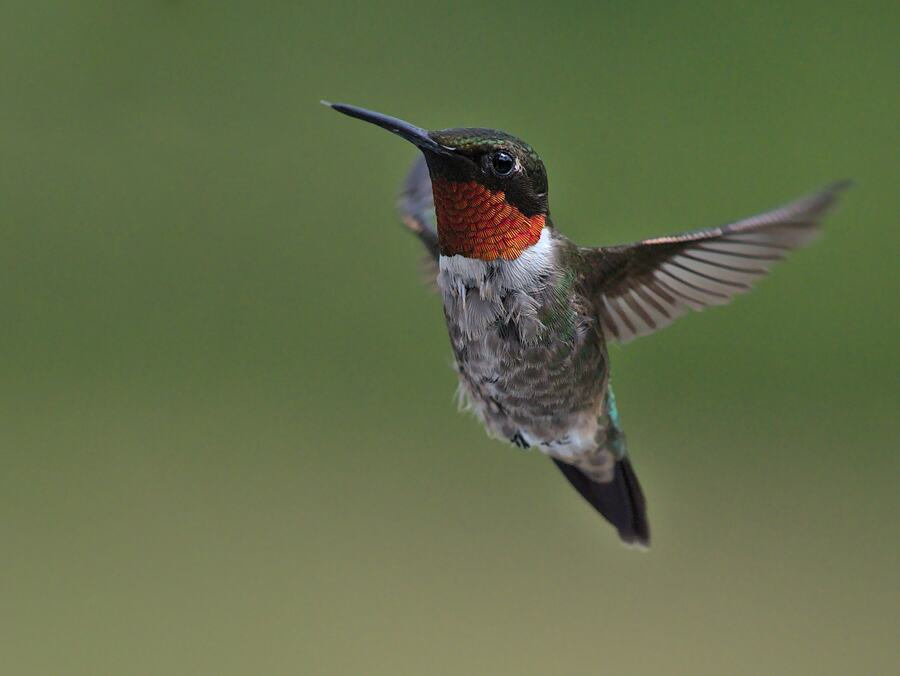
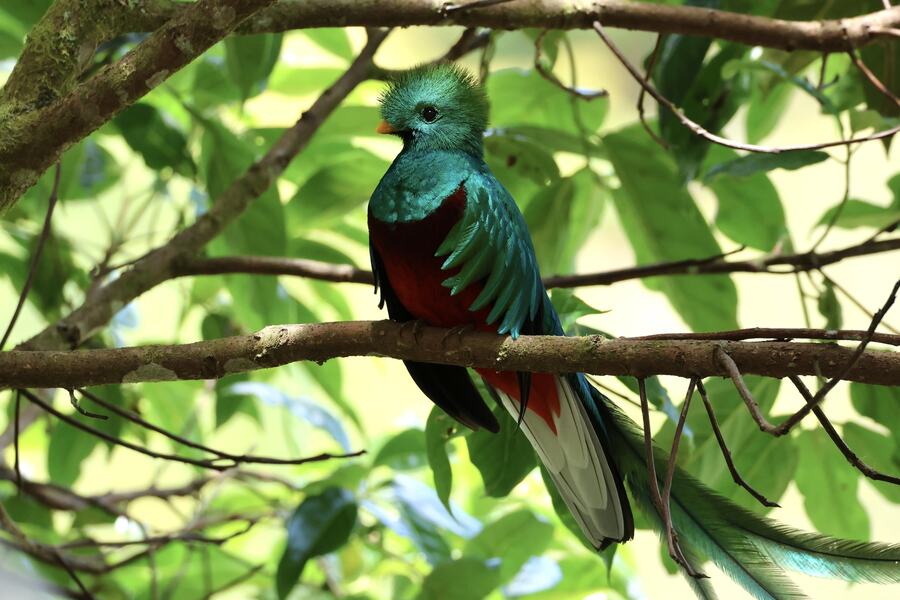
Around the world, birds carry pollen between flowers — hummingbirds in the Americas, sunbirds in Africa and Asia, honeyeaters in Australasia.
Bird-pollinated flowers tend to share a recognisable “syndrome”: red or orange colours, tubular shapes that fit a bill, sturdy structures, little scent, and plenty of dilute nectar. A bird probing for nectar picks up pollen on its forehead, bill or throat and delivers it to the next flower of the same species.
For plants that depend on birds, losing their pollinators can mean fewer seeds and, eventually, fewer plants — especially on islands, where there are few alternative pollinators.
New Zealand: the shrub that lost its birds
DocumentedThe New Zealand gesneriad shrub Rhabdothamnus solandri cannot pollinate itself and relies on tūī, bellbirds and stitchbirds. On the North Island mainland, where two of those birds have largely vanished since introduced mammalian predators arrived, researchers found much lower pollination, seed production and plant density than on nearby predator-free island sanctuaries.
Anderson, S.H. et al. (2011). Cascading effects of bird functional extinction reduce pollination and plant density. Science 331: 1068–1071.Bird pollinators present
Source: Anderson et al. 2011, as reported in coverage of the study
If this function is lost: Fewer seeds and sparser populations of bird-dependent plants; on islands, some plants have few or no alternative pollinators.
Seed dispersers
Fruit-eating birds swallow fruit, fly off and deposit the seeds elsewhere — often far from the parent tree, where seedlings have a better chance.
In tropical forests most woody plants produce fleshy fruits adapted for dispersal by animals, and birds are among the most important of those animals. Seed-caching birds such as jays and nutcrackers also act as planters when they bury nuts and fail to retrieve them.
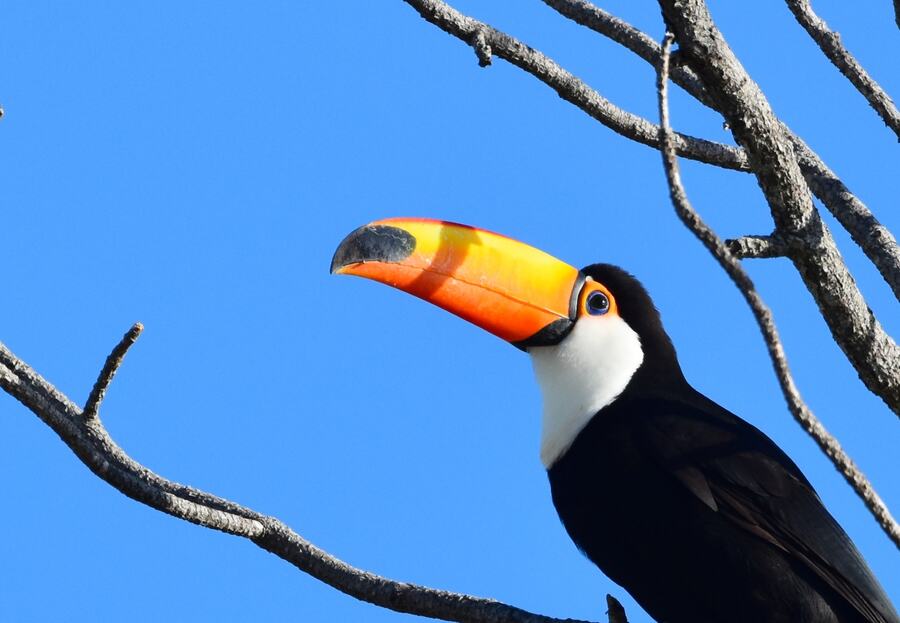
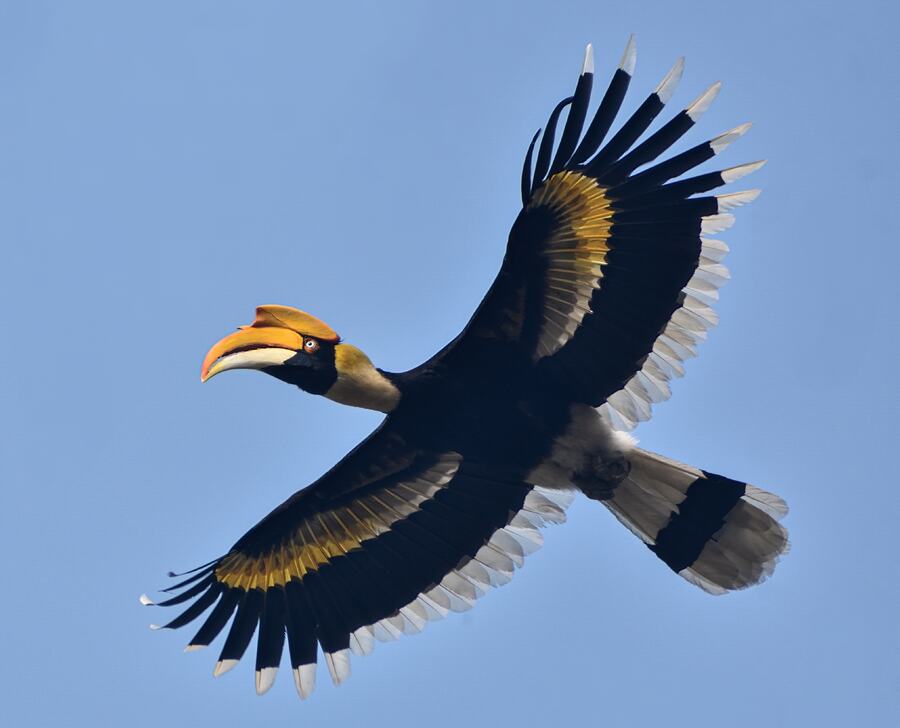
Dispersal is not interchangeable. Large seeds can only be swallowed by birds with wide gapes — toucans, hornbills, cotingas, cassowaries — so when big birds disappear, big-seeded plants lose their dispersers first.
Brazil: palms evolving smaller seeds
DocumentedIn fragments of Brazil’s Atlantic Forest where large-gaped fruit-eating birds such as toucans have been lost, the palm Euterpe edulis now produces significantly smaller seeds. Using more than 9,000 seeds from 22 populations, researchers concluded the loss of big dispersers was the main driver of this rapid change — in about a century.
Galetti, M. et al. (2013). Functional extinction of birds drives rapid evolutionary changes in seed size. Science 340: 1086–1090.Small and large seeds are swallowed and carried away
Source: Schematic illustration of the mechanism described by Galetti et al. 2013 — not measured values
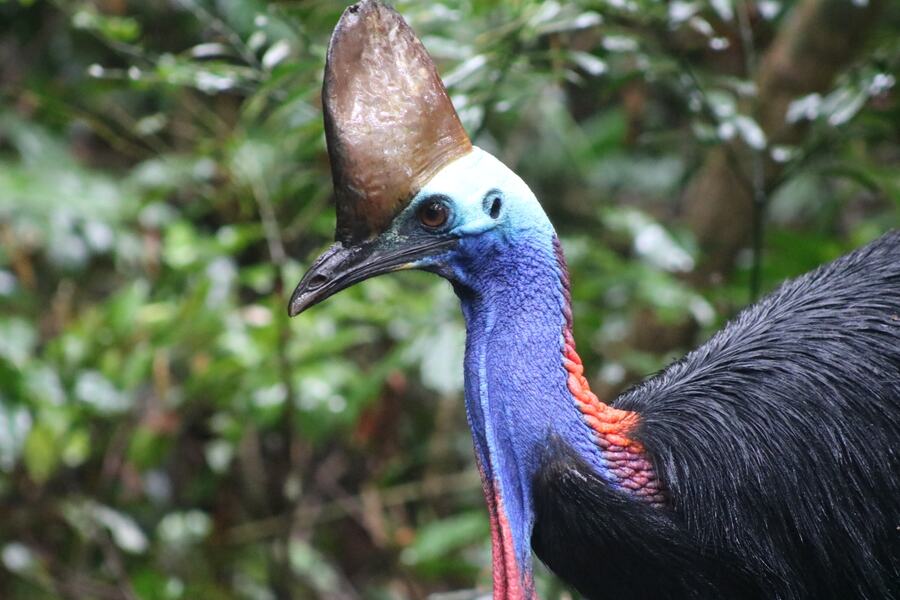
If this function is lost: Big-seeded trees regenerate mostly beneath their parents, where seedlings die more often; over time, forest composition and even seed traits can change.
Insect regulators
The world’s insect-eating birds are estimated to consume 400–500 million tonnes of arthropods a year — most likely towards the lower end of that range.
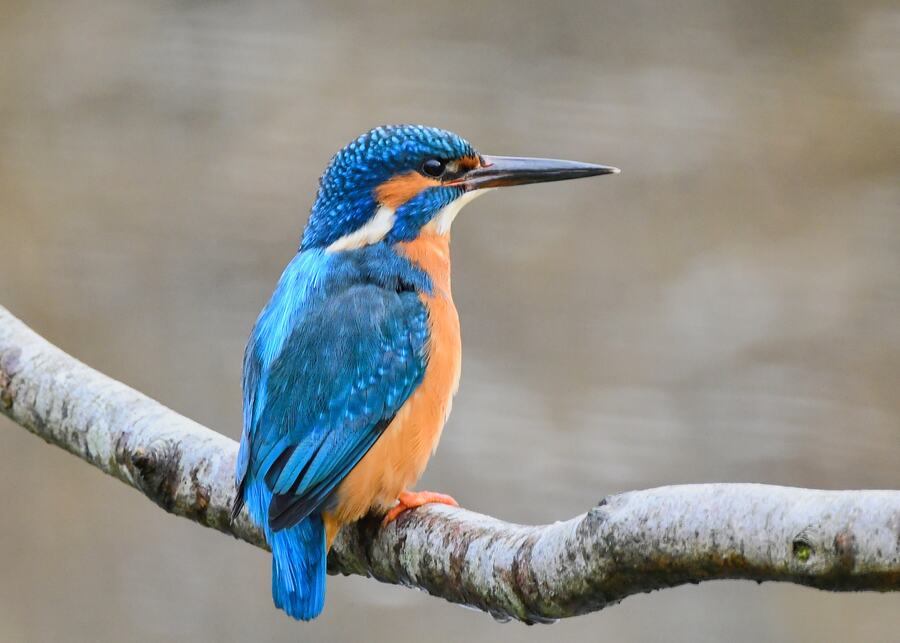
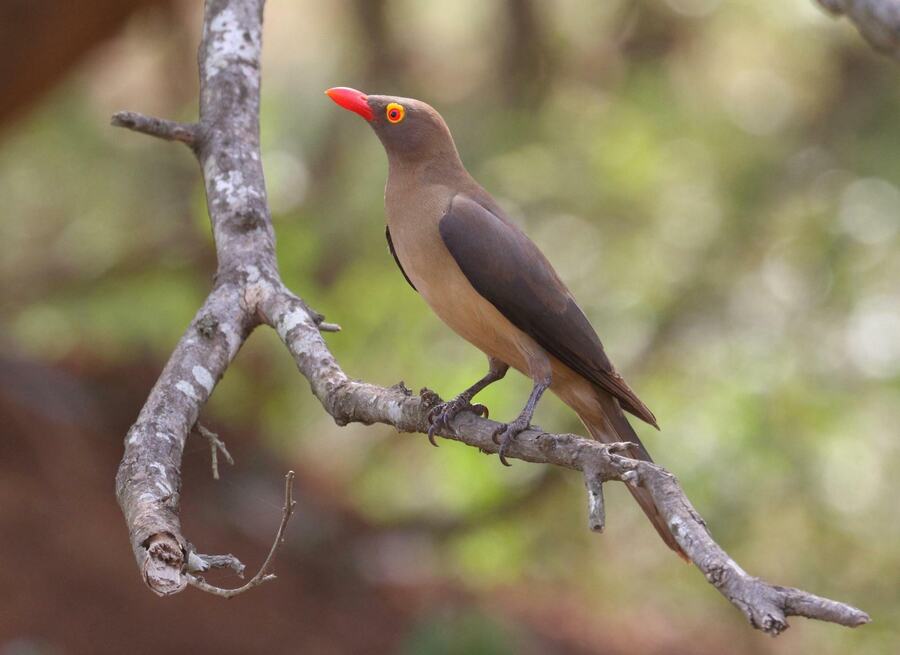
Tits, warblers, swallows, flycatchers and many others feed heavily on insects, especially when raising chicks. Experiments that exclude birds from plants with netting repeatedly show more insects and more leaf damage where birds cannot reach.
This regulation is valuable to farmers as well as forests — but it is rarely provided by one species alone, and its size varies from place to place and year to year.
Costa Rica: birds versus the coffee berry borer
DocumentedOn Costa Rican coffee farms, bird-exclusion experiments showed that birds eat the coffee berry borer, the crop’s most damaging insect pest. The researchers valued this pest control at roughly US$75–310 per hectare per year, and found more borer-eating birds on farms with more forest nearby.
Karp, D.S. et al. (2013). Forest bolsters bird abundance, pest control and coffee yield. Ecology Letters 16: 1339–1347.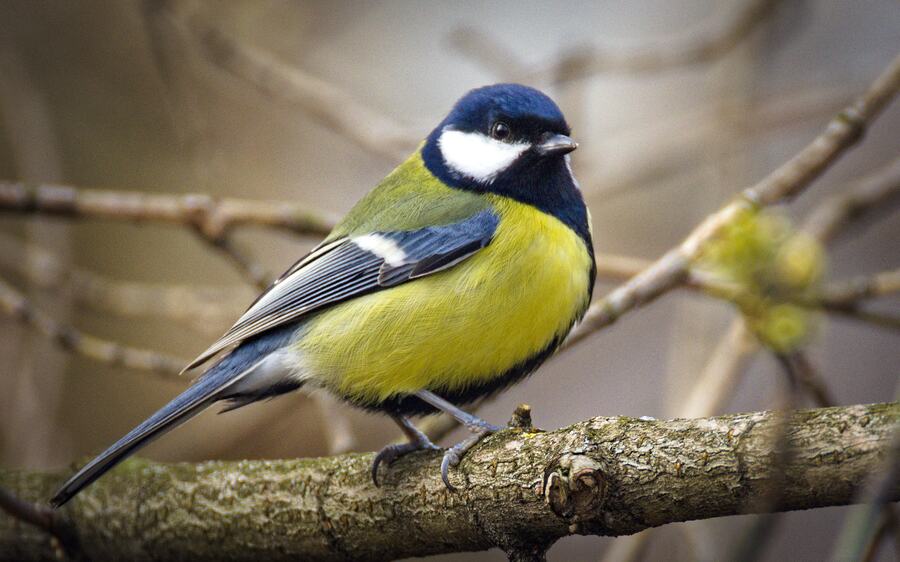
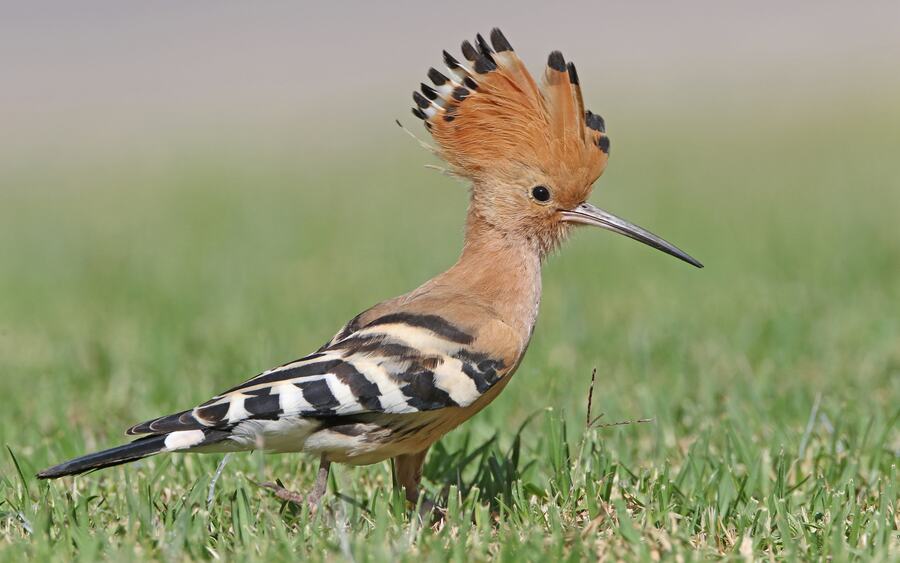
If this function is lost: More herbivorous insects and more plant damage in some systems; effects are strongest where few other predators can take over.
Scavengers
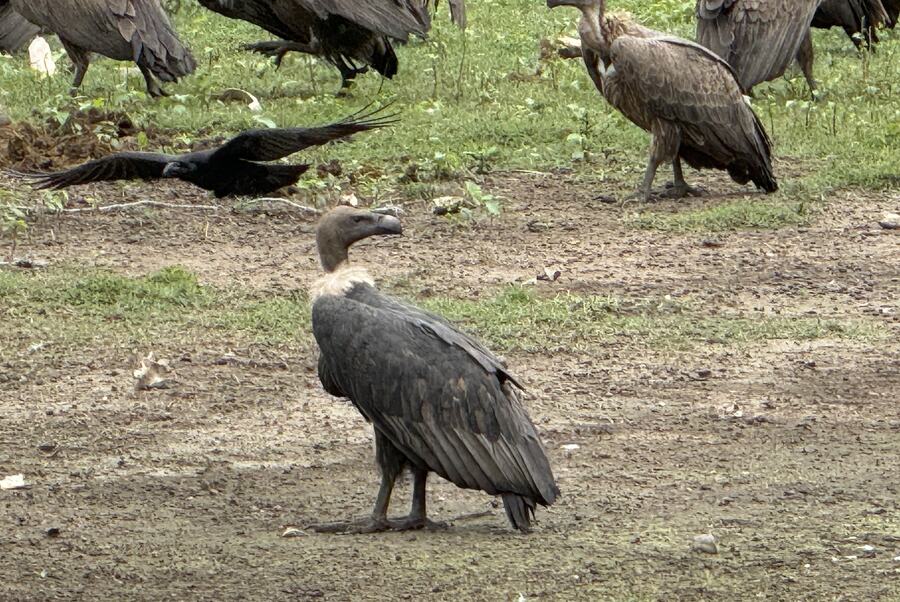
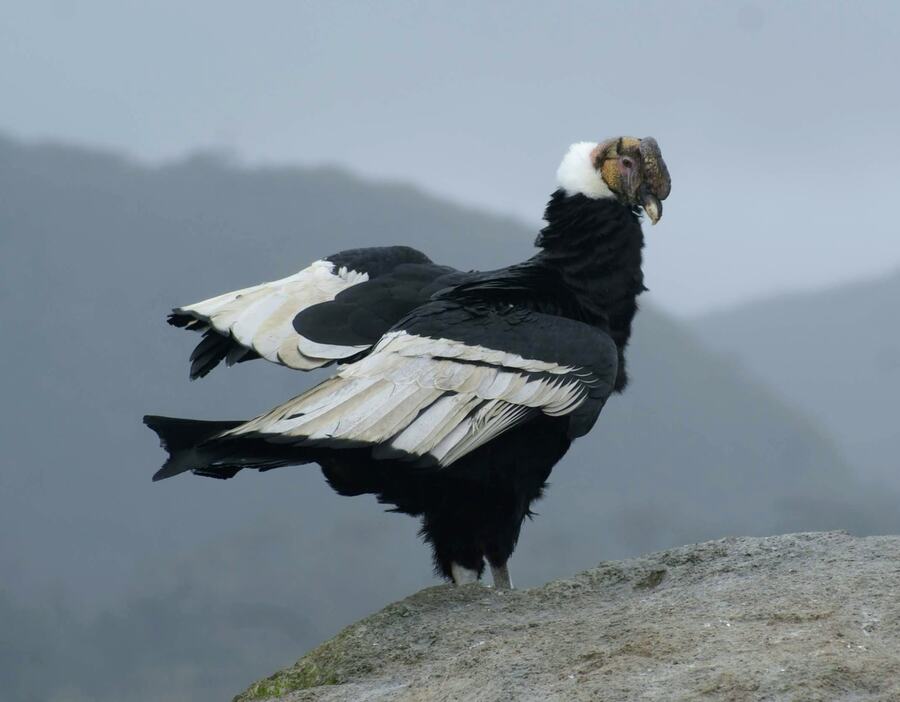
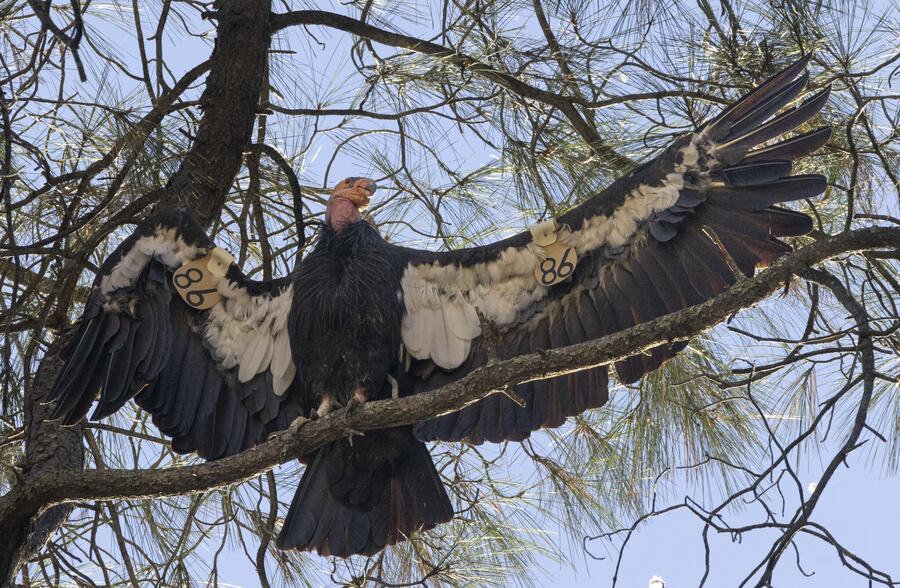
Vultures are nature’s fastest carcass-removal service. A large group can strip a carcass to the bone within hours.
Obligate scavengers such as vultures have strongly acidic stomachs that destroy many pathogens. By eating carcasses quickly they recycle nutrients and limit the time that disease agents — and the feral dogs, rats and flies that feed on carrion — have to multiply.
Vultures are also among the most threatened groups of birds. Poisoning, veterinary drugs, persecution and collisions have driven steep declines across Africa and Asia.
Kenya: what happens when vultures are kept away
DocumentedWhen researchers in Kenya experimentally excluded vultures from livestock carcasses, carcasses took nearly three times as long to decompose, and contacts between mammalian scavengers at the carcasses nearly tripled — a potential route for disease transmission.
Ogada, D.L., Torchin, M.E., Kinnaird, M.F. & Ezenwa, V.O. (2012). Effects of vulture declines on facultative scavengers and potential implications for mammalian disease transmission. Conservation Biology 26: 453–460.Baseline
Source: Ogada et al. 2012 (approximate ratio reported by the authors)
If this function is lost: Carcasses linger; feral dogs and other facultative scavengers increase; disease risk to wildlife, livestock and people can rise — as seen in South Asia.
Ecosystem engineers
Some birds physically change their surroundings, creating resources that other species use.
Woodpeckers are the best-known example. The holes they excavate are later used by many species that cannot dig their own — other birds, bats, squirrels, even ducks. Ecologists describe these dependencies as “nest webs”, with woodpeckers as keystone excavators.
Burrowing seabirds such as puffins and shearwaters turn over island soils, and seabird colonies fertilise the vegetation around them.
Nest webs in British Columbia
DocumentedLong-term studies of cavity-nesting communities in interior British Columbia showed that a few excavators — above all the Northern Flicker — supply most of the cavities later used by secondary cavity nesters such as bluebirds, swallows, kestrels, cavity-nesting ducks and squirrels.
Martin, K. & Eadie, J.M. (1999). Nest webs: a community-wide approach to the management and conservation of cavity-nesting forest birds. Forest Ecology and Management 115: 243–257.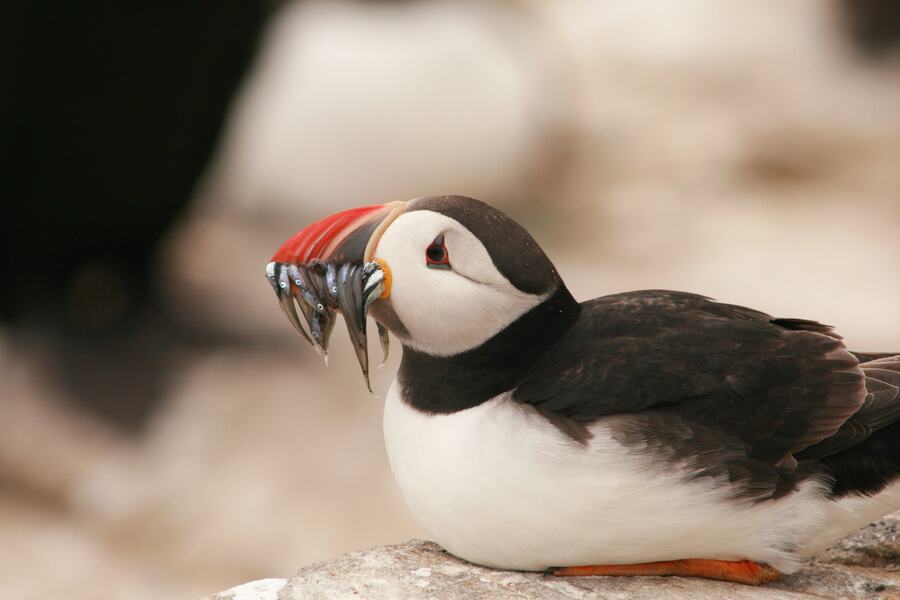
If this function is lost: Secondary cavity users run short of nest sites, especially in managed forests with few old or dead trees.
Nutrient transporters
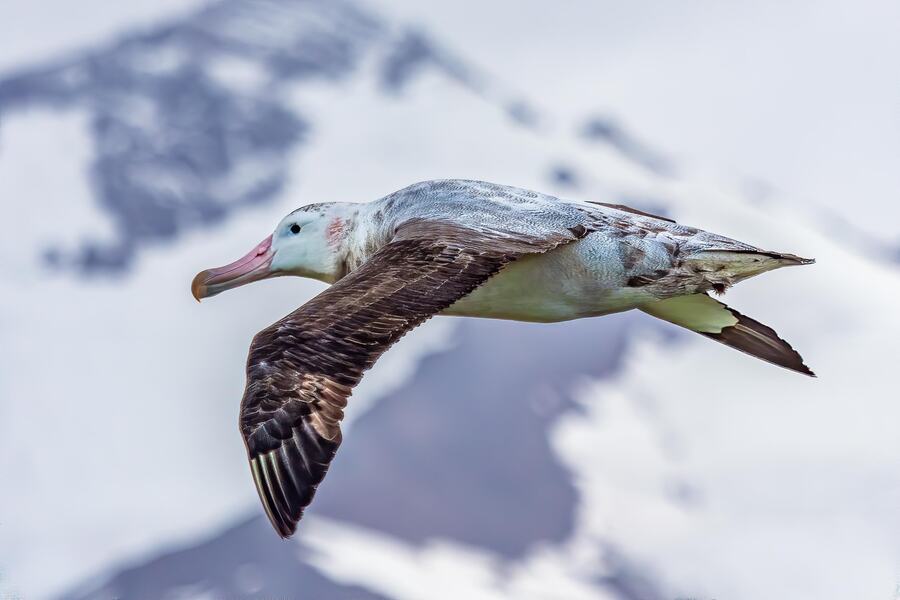
Seabirds feed at sea and rest, roost and breed on land — moving nitrogen and phosphorus from the ocean onto islands and coasts.
A global study estimated that seabirds excrete around 591,000 tonnes of nitrogen and 99,000 tonnes of phosphorus a year. Around colonies, these nutrients enrich soils and plants and wash back into the sea, where they can boost the productivity of nearby reefs.
Peru’s guano islands, built by cormorants, boobies and pelicans feeding on anchoveta, were once one of the most valuable sources of fertiliser in the world.
Chagos: rats, seabirds and coral reefs
DocumentedOn rat-free islands in the Chagos Archipelago, seabird densities were far higher than on rat-infested islands. Reefs next to rat-free islands received more seabird-derived nitrogen, and their fish grew faster and reached higher biomass — linking island predators to reef productivity.
Graham, N.A.J. et al. (2018). Seabirds enhance coral reef productivity and functioning in the absence of invasive rats. Nature 559: 250–253.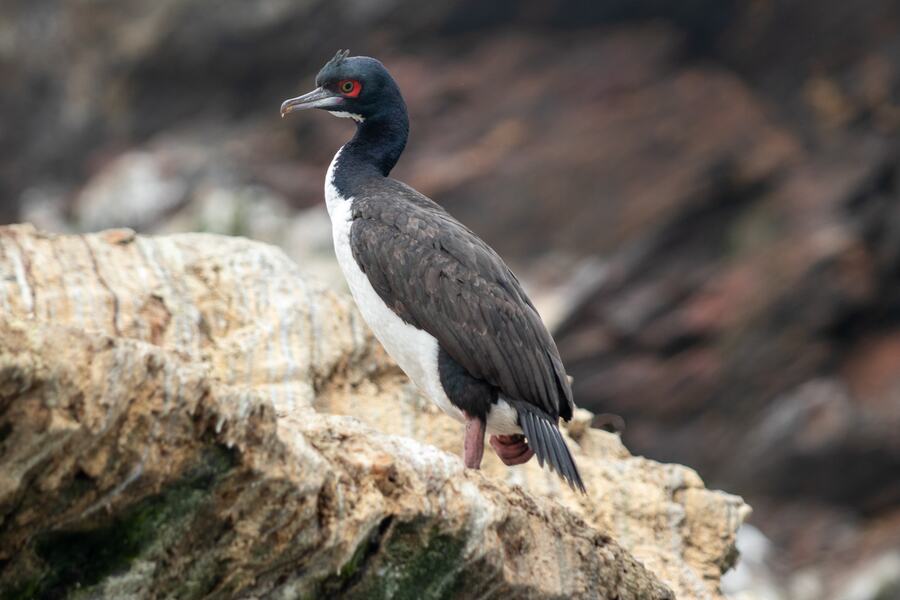
If this function is lost: Less fertilisation of islands and nearby waters; seabird loss to introduced rats has measurable effects on adjacent reefs.
See these roles connected in real ecosystems.