The BirdAtlas
Discover the extraordinary world of birds, their place in nature, and what happens when they disappear.
41 species10 ecosystems
Speciesin theatlas
Common and rare, living and lost — each with a complete profile of what it eats, what eats it, and what it does for the ecosystem around it.
- (01)Common Kingfisher
- (02)Emperor Penguin
- (03)Harpy Eagle
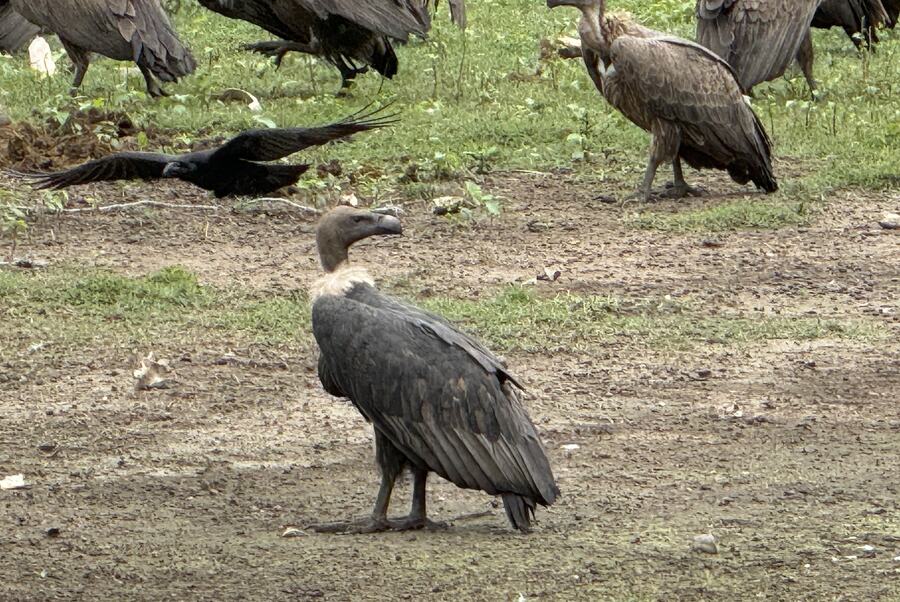
- (04)White-rumped Vulture
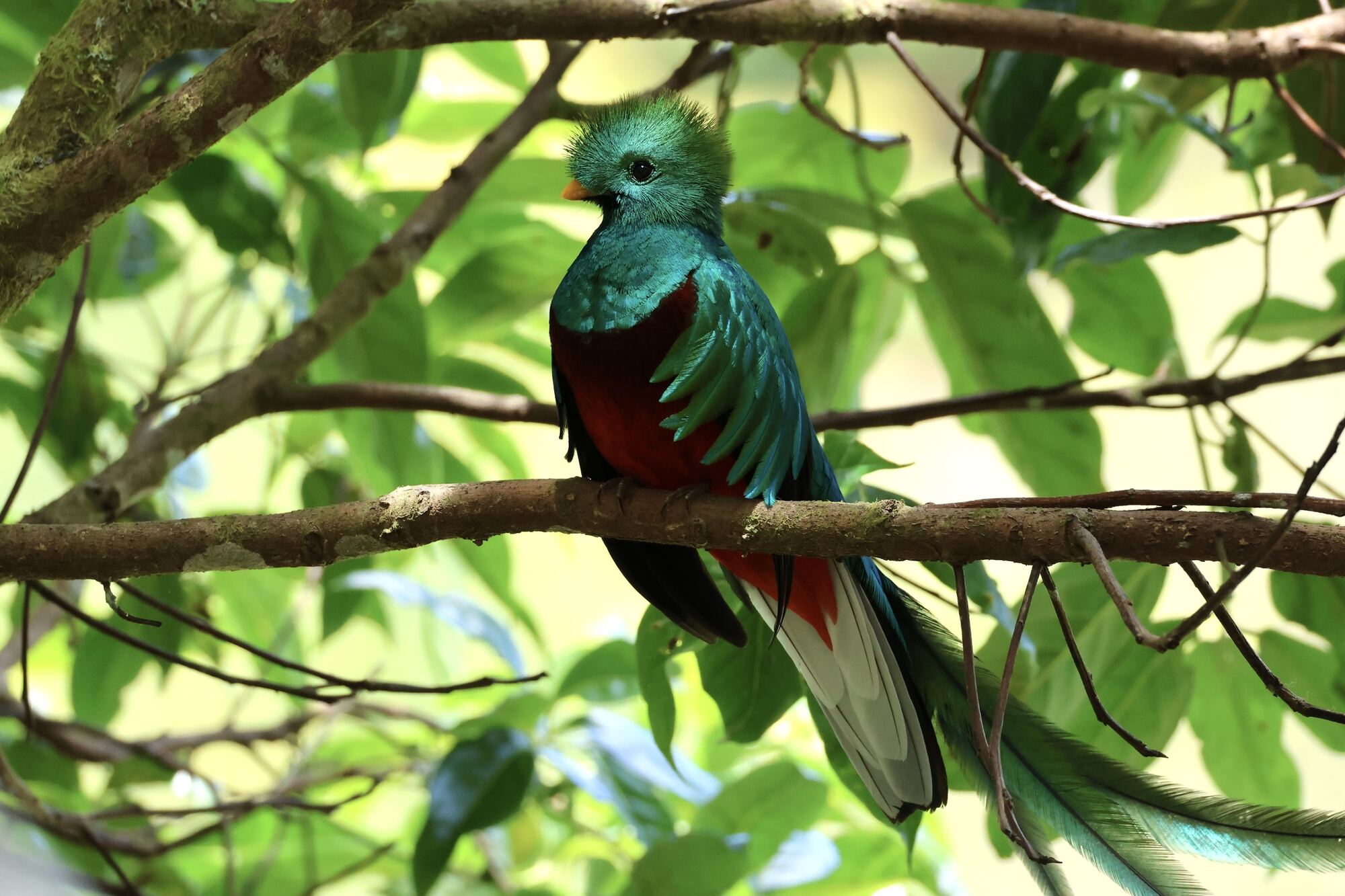
- (05)Resplendent Quetzal
- (06)Kākāpō
- (07)Spoon-billed Sandpiper
- (08)Greater Honeyguide
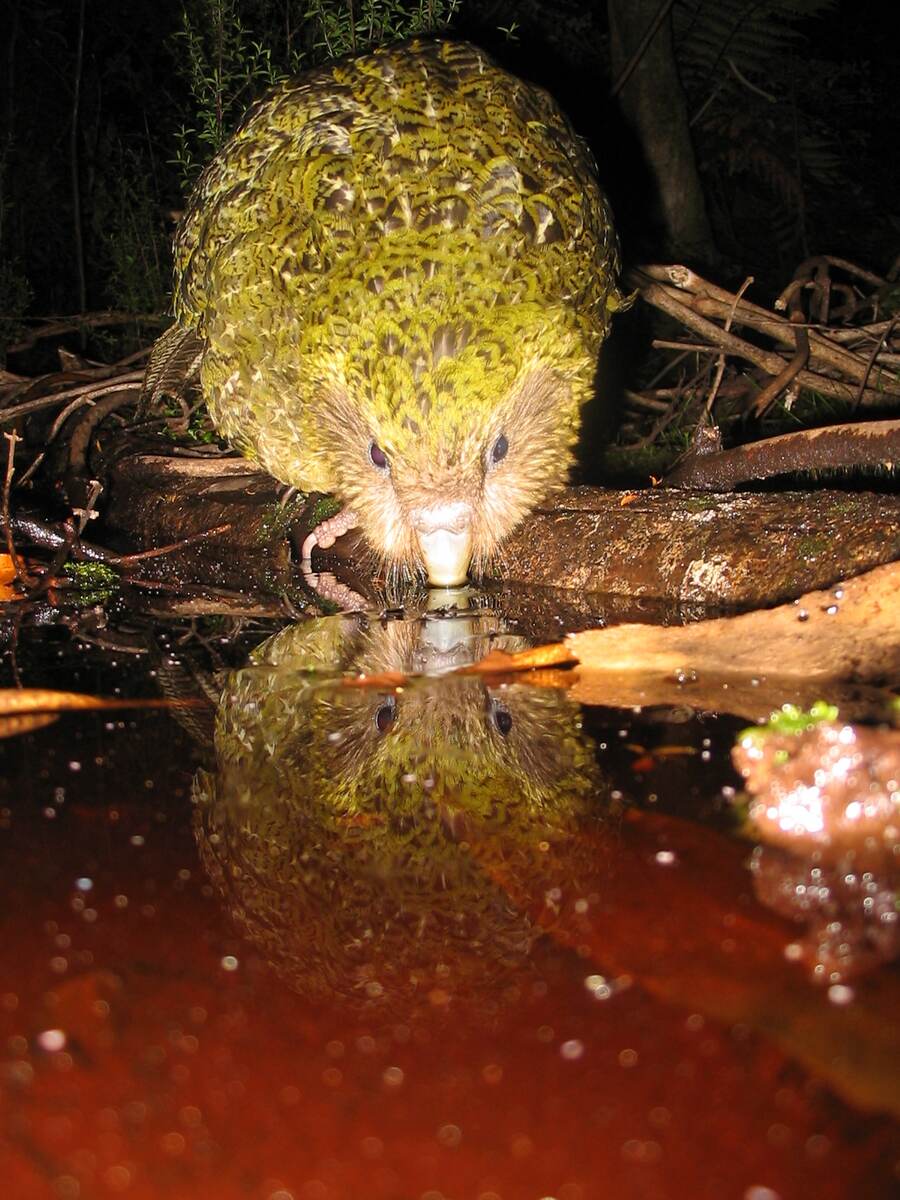
Kākāpō
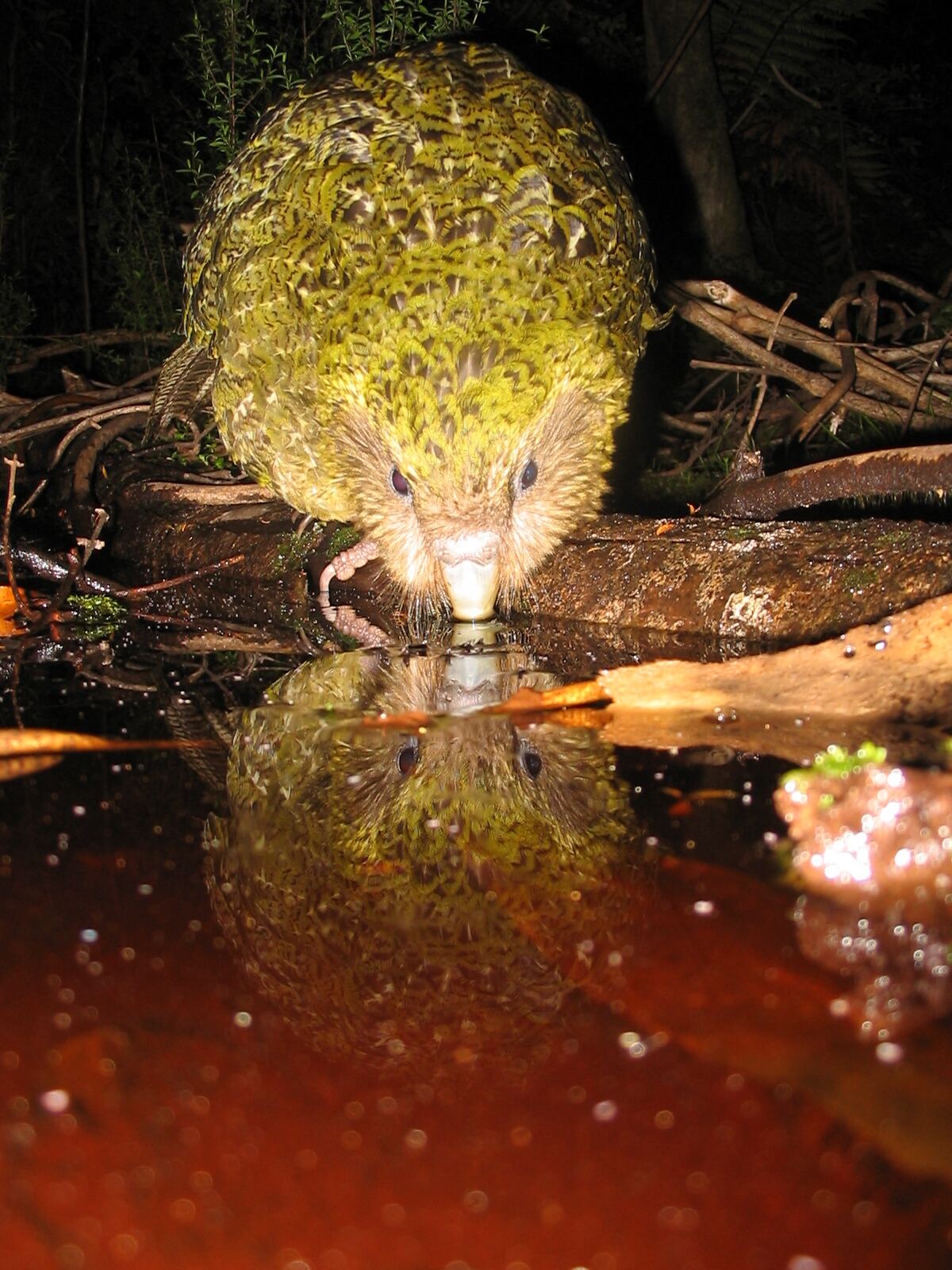
A flightless, night-active, moss-green parrot whose every individual is known by name.
The kākāpō is a large, flightless, nocturnal parrot found only in New Zealand. It once lived across the North, South and Stewart Islands, but introduced predators reduced it to a few dozen birds, and it now survives only on predator-free islands under one of the most intensive recovery programmes for any bird. It breeds only in years when rimu and some other podocarp trees fruit heavily.
Read the full profilePull one thread
No bird lives alone. Explore who eats whom, who plants whom and who depends on whom — then remove a bird and watch what might unravel. Every link is graded documented, likely or hypothesised.
The Macaw Paradox
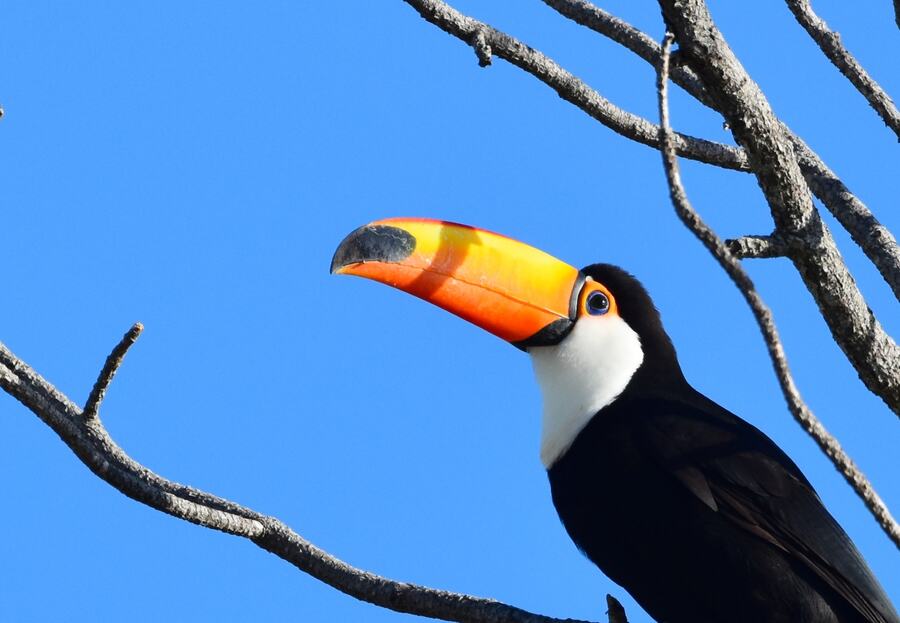
In the Pantanal the Hyacinth Macaw nests almost entirely in old manduvi trees. Those trees are planted mainly by the Toco Toucan — the same bird that eats more macaw eggs than any other predator. Remove the toucan and you help the macaw today, but harm it in the long run.
Select any organism to see its relationships, or remove a bird above to see what might follow.
- Eats / feeds on
- Disperses seeds
- Benefits from
- Provides nest sites
- Supports / shapes
- Documented
- Likely
- Hypothesised
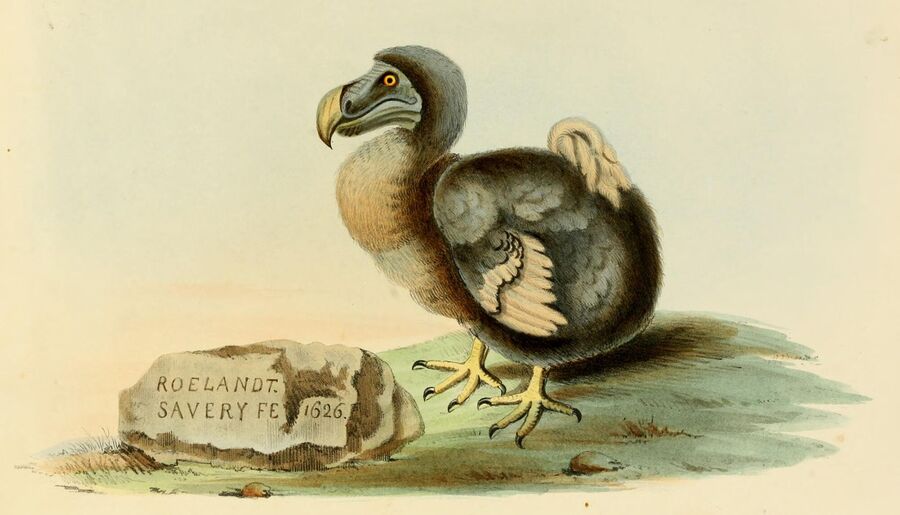
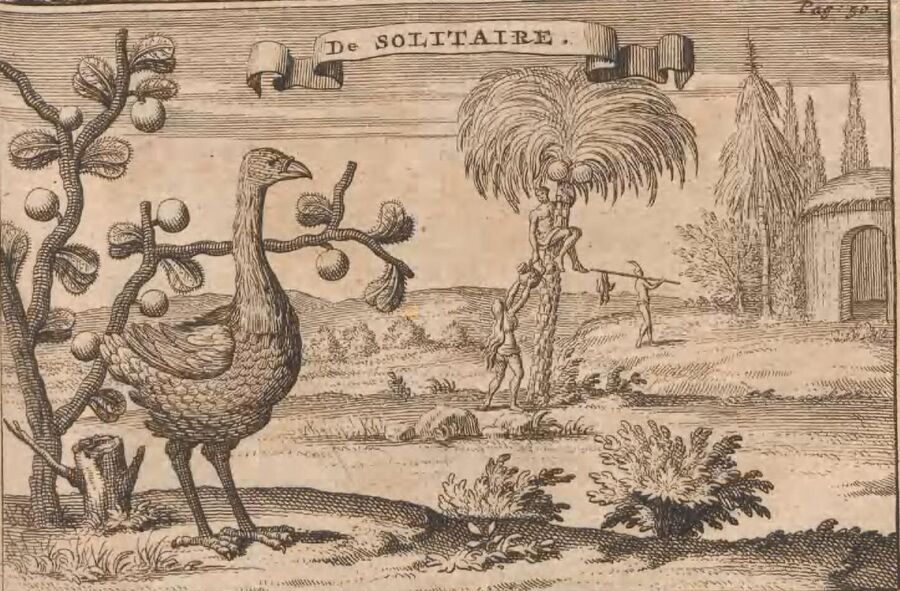
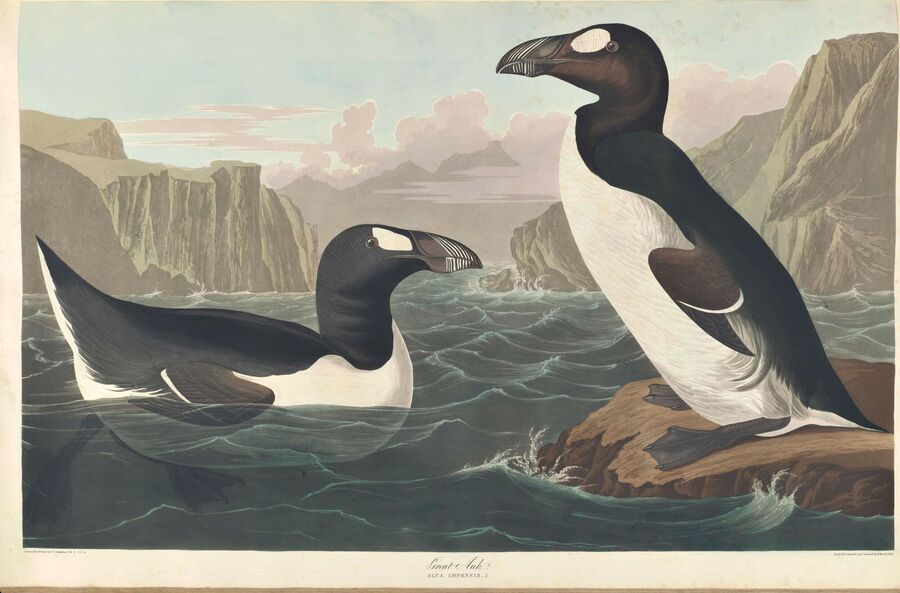
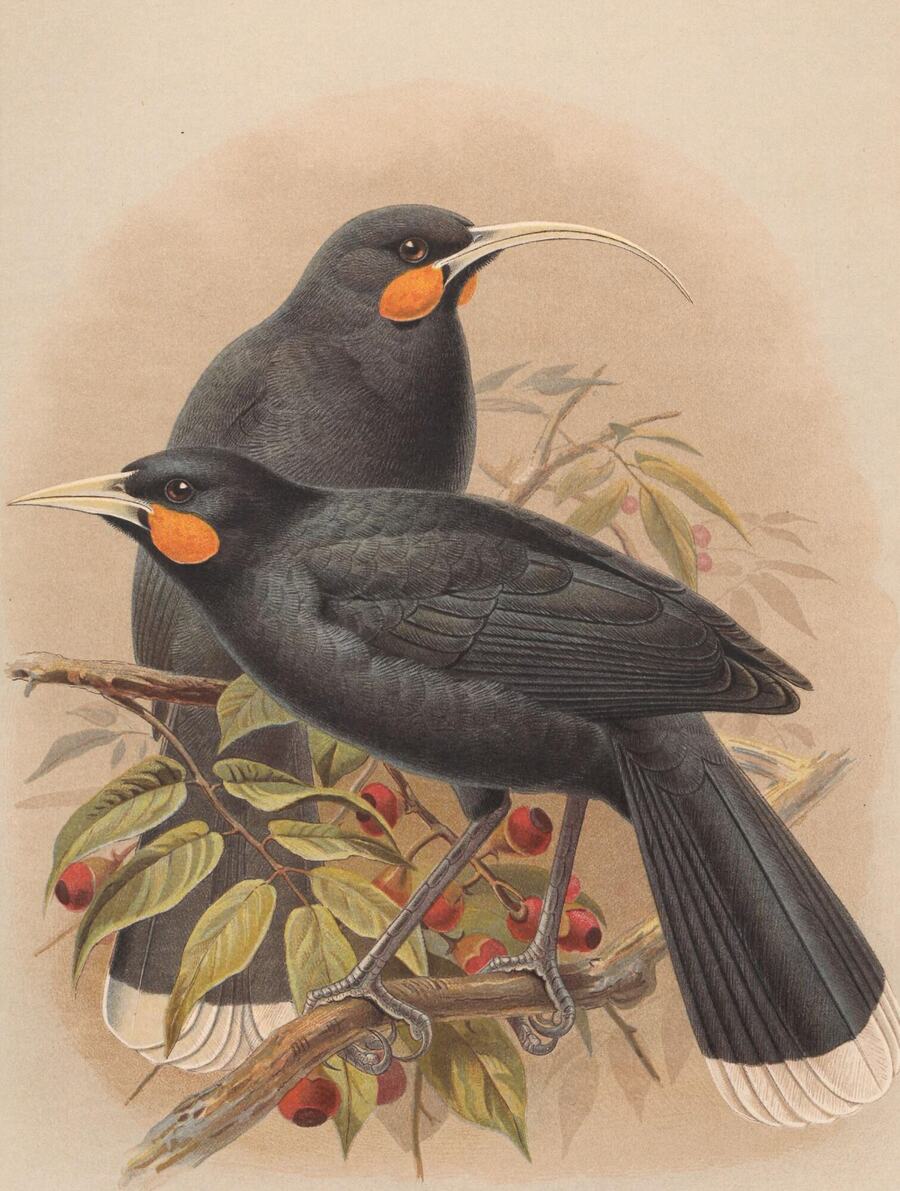
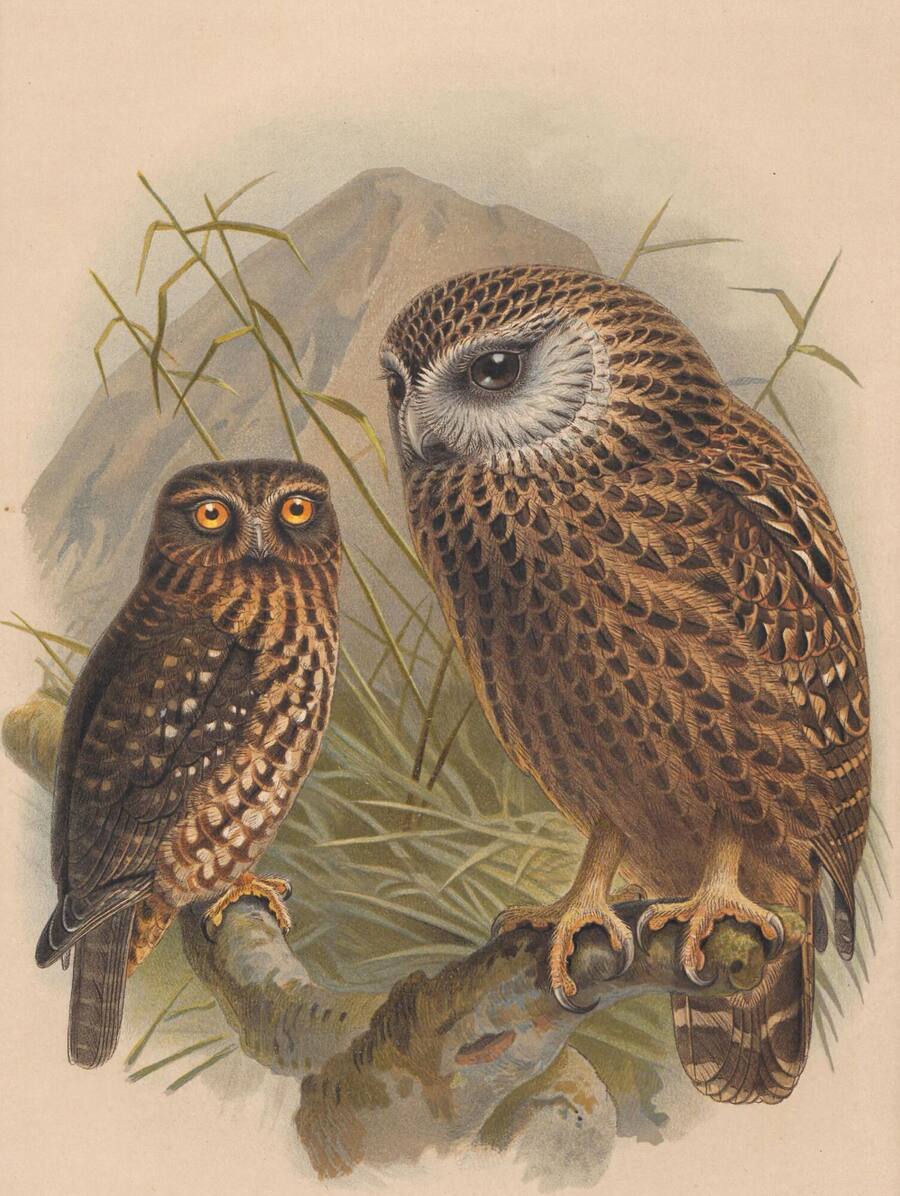
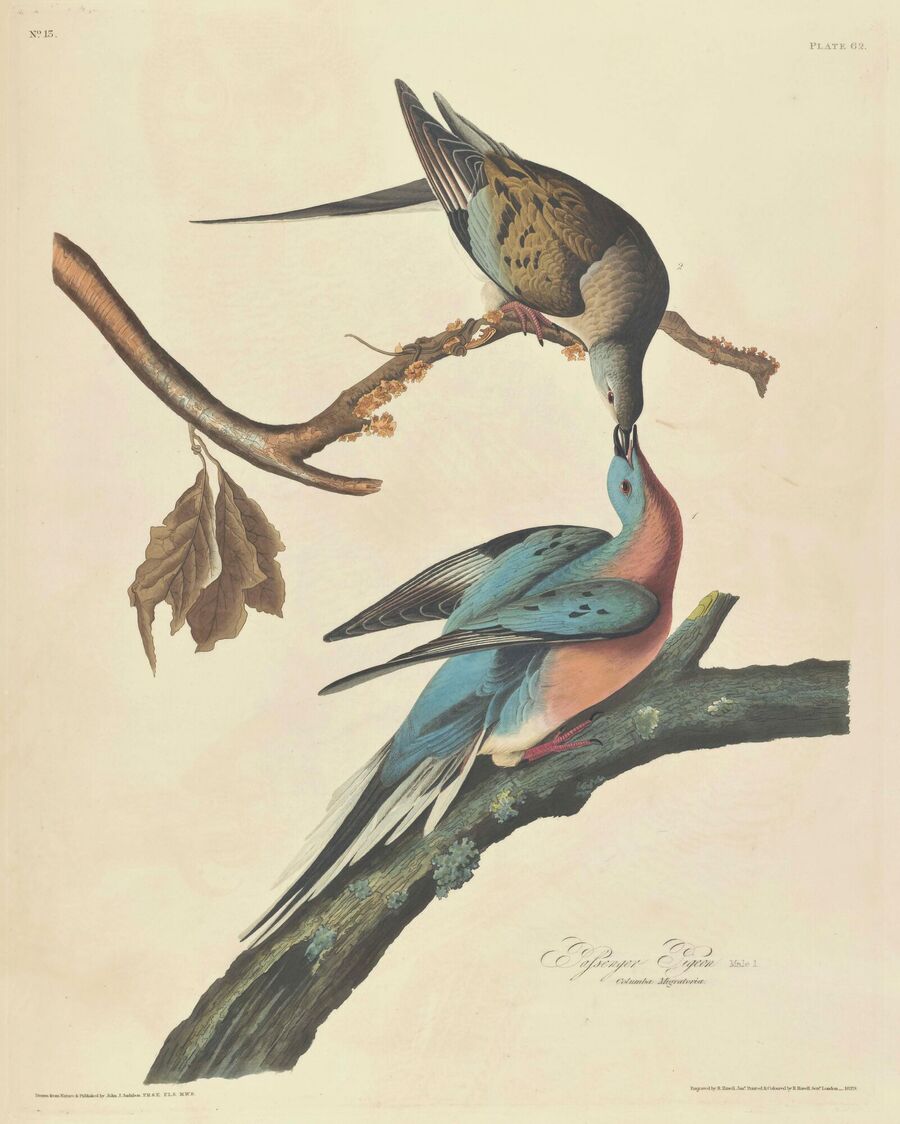
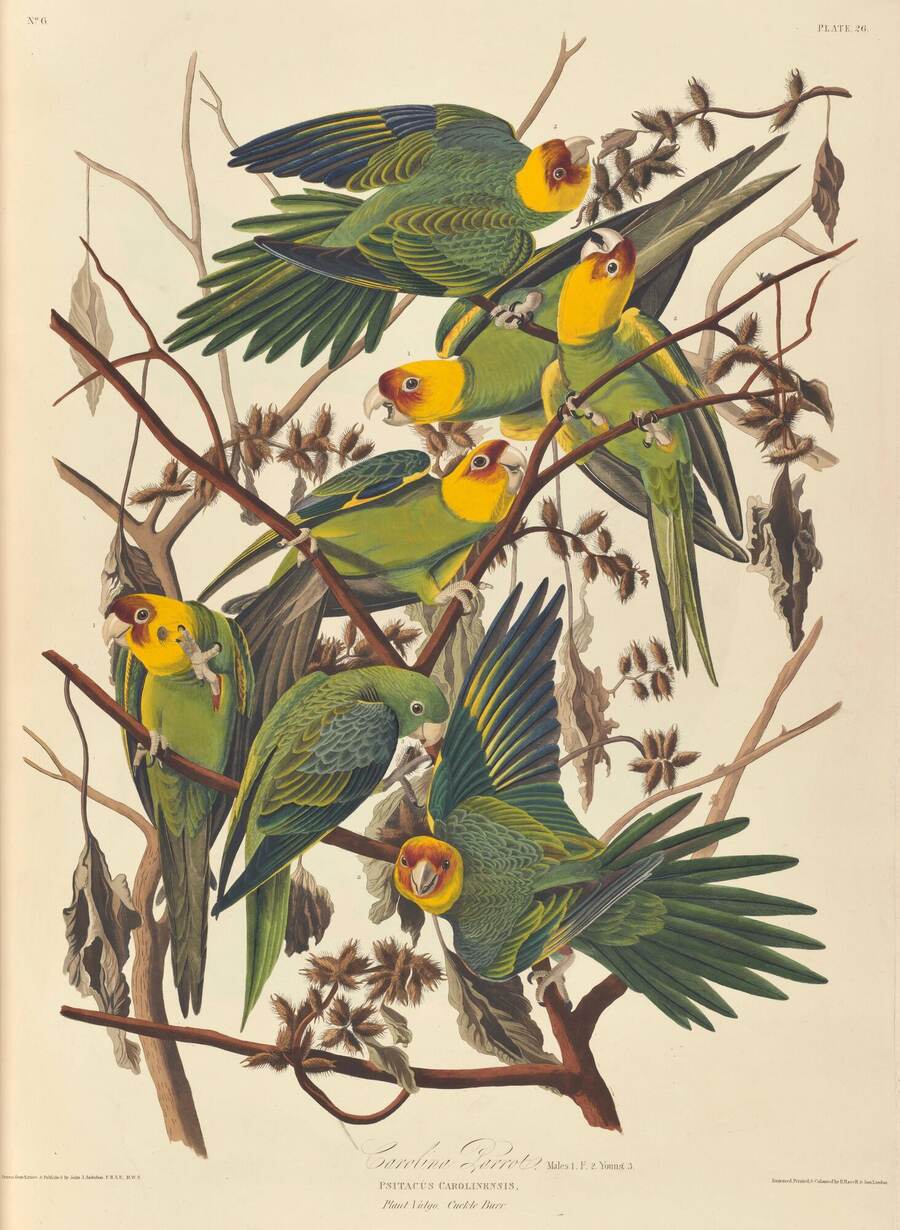
Lost birdsExtinctionis forever
At least 187 bird species are confirmed or suspected to have gone extinct since 1500 (BirdLife International, 2022) — most of them on islands.

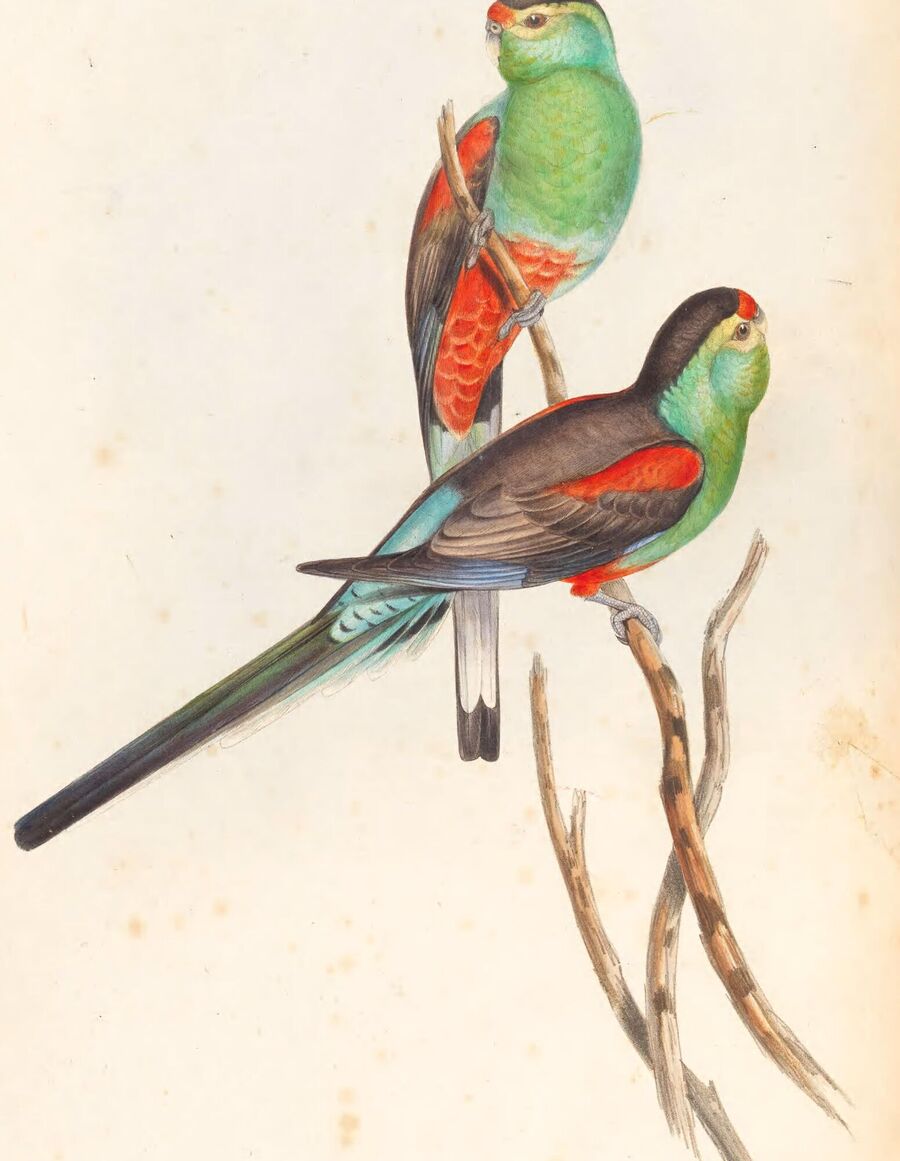
Why birdsmatter
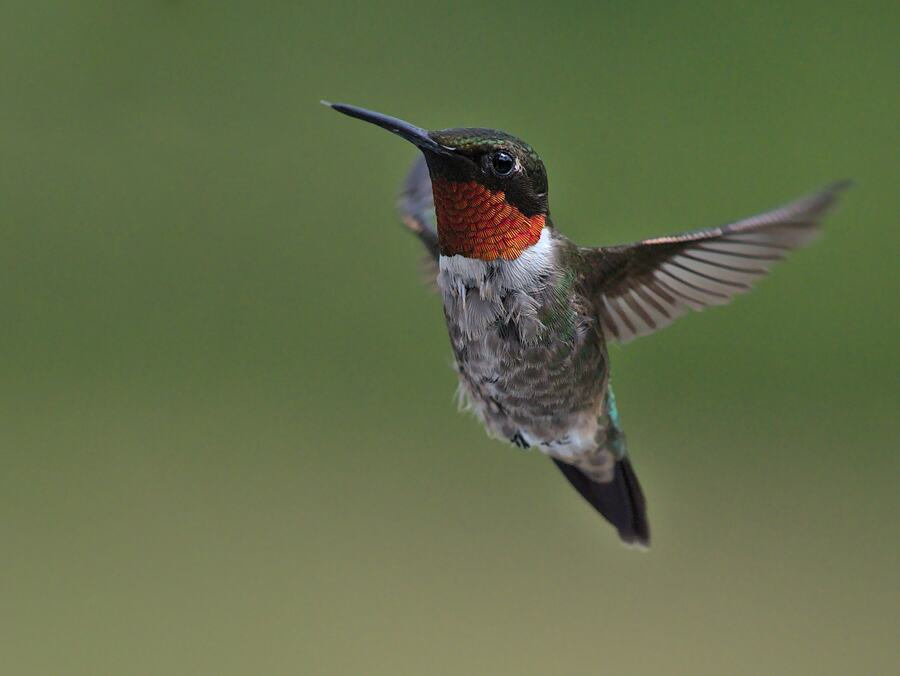
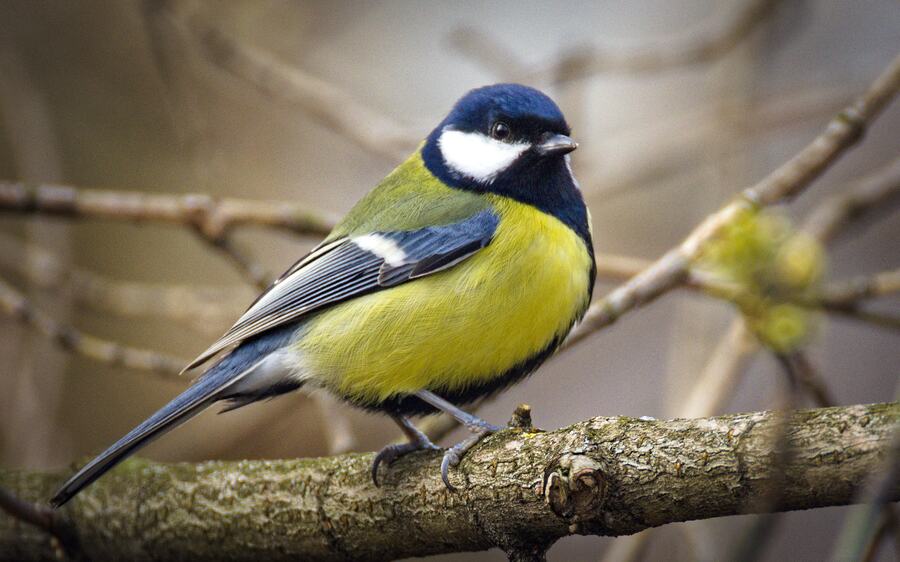
(Ecological work)Pollinating, planting forests, regulating insects, clearing carcasses, building homes and moving nutrients.
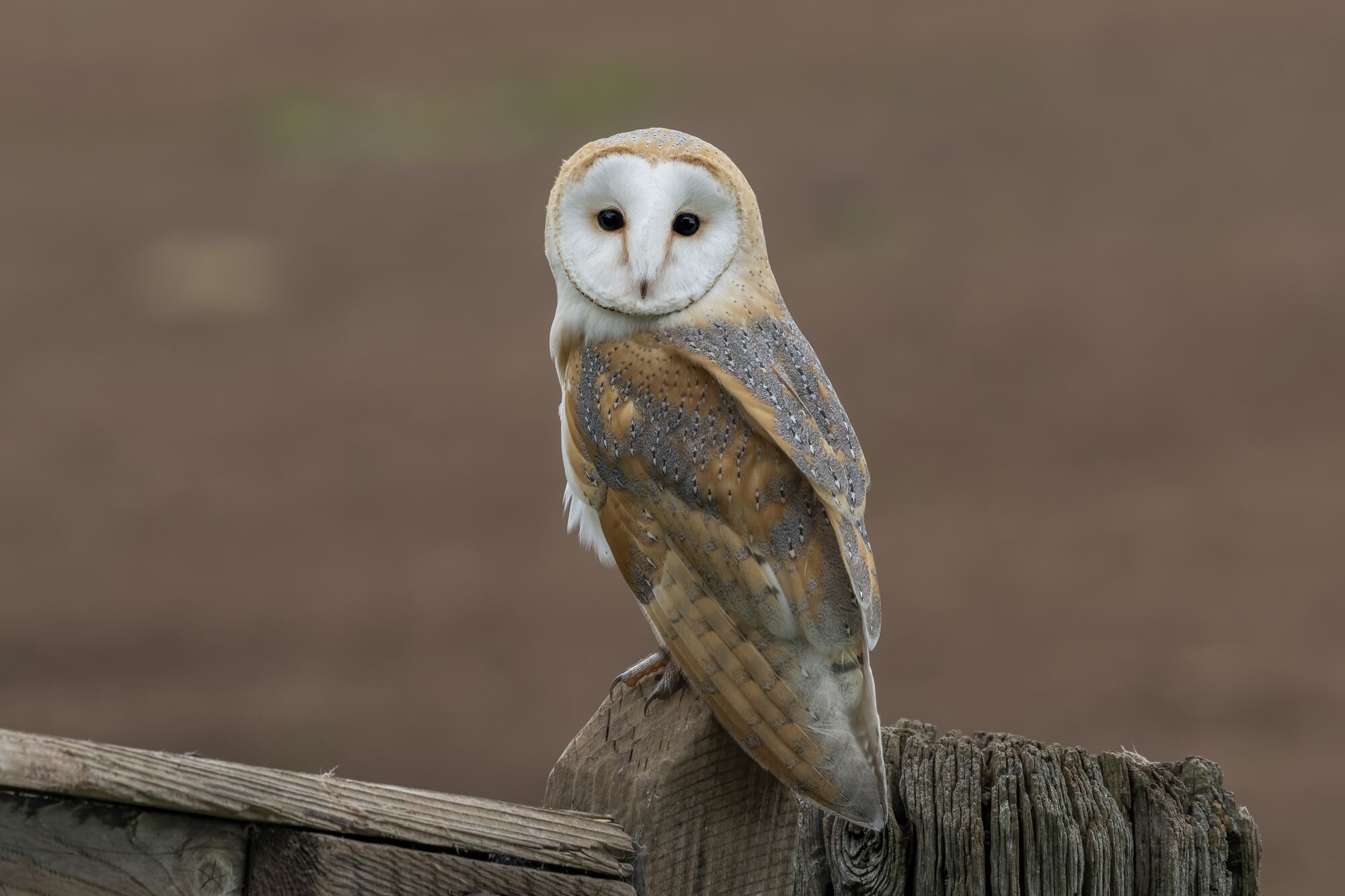
Western Barn Owl
A ghostly farmland hunter that can catch a vole in total darkness by sound alone.
LCLeast Concern · 2025